

Meta Overhauls Ad Conversions, the Data Behind Leaky Intake, and a Framework for Better Attorney Thought Leadership
Plus: James Tawney on Running a Trucking-Only Firm Where Partners Still Answer the Phone

👋 Good morning. Chris Dreyer here. Meta just stripped social engagement out of click-through attribution. Likes, shares, and saves no longer count as conversions. If you run Facebook or Instagram ads for MVA or mass tort intake, your dashboards will show fewer conversions this month on the same spend. I break down what changed and what it means for how you evaluate Meta campaigns.
Meanwhile, CallRail surveyed 100 law firms on marketing spend, and the most striking data is about intake, not channels. 81% of firms have lost business because they could not respond fast enough. A third estimated the damage at 11% to 25% of annual revenue. For firms running six-figure monthly ad budgets, that’s cases walking out the door before anyone picks up the phone. I walk through where the leak is and what to fix first.
Also in this issue: a content framework that explains why most attorney LinkedIn posts fall flat, and is the PI industry ready for a future with fewer car crashes? Let’s get to it.
📆 [Save the Date: Oct. 4-6]

PIMCON, the Personal Injury Mastermind Conference, is where personal injury attorneys master marketing, intake, and explosive firm growth. It’s built for decision-makers who want sharper strategy, better execution, and real-world results long after the sessions end.
October 4–6 • Scottsdale, AZ
Lock in your ticket today for the best prices.

A Framework for Better Attorney Thought Leadership Content

What do you see in personal injury law that no one sees? What contrarian opinions do you hold about legal tech? What did you figure out about taking a case to trial, or about hiring, that made all the difference at your firm?
These days, it’s tempting to rely on AI for thought leadership content. But that will only get you so far.
The real stuff of thought leadership content is your own real-world experience, in the stuff you learned, the ideas that worked, the ones that failed.
Ben Horowitz calls these your earned secrets: You solved a hard problem and learned something about the world that few other people know. John Winsor, executive fellow at Harvard Business School’s Digital, Data, and Design Institute, calls it thought doership: real expertise built from scar tissue, not summarized from someone else’s work.
Yet, despite the hyper-competitive nature of personal injury, most attorney thought leadership content fails to differentiate because it feels safe to blend in.
Which brings me to Category Pirates, the strategy newsletter from Christopher Lochhead, Eddie Yoon, and Nicolas Cole.
Some time ago, they published a content framework that applies directly to thought leadership and executive social for PI attorneys. Their Content Pyramid maps five levels of content creation, from passive consumption at the bottom to original category creation at the top. Most attorneys’ social media never climbs past Level 3.
I keep coming back to this framework because it names something I see constantly:
Most attorney LinkedIn activity is Level 2: curation with no original thinking. Reposting an article with a generic comment. Tagging a verdict headline with “Big win for the plaintiff bar.” Sharing a legal news story and adding “This matters.” The attorney’s name is on the post, but nothing in the post required the attorney’s experience to produce. Most PI attorney social content does this, and it is invisible.
Level 3 content sounds smart but says nothing a competitor could not also say. “Trucking cases require immediate evidence preservation.” “Intake speed matters.” “Your brand is your reputation.” Category Pirates call this “Blinding Glimpses of the Obvious.” It feels like thought leadership. It is not. A Georgetown and ScienceDirect study analyzing 2,200 essays found that each human-written piece contributed two to eight times more new ideas than a GPT-4-generated piece. AI can produce Level 3 content all day. That is exactly why Level 3 no longer differentiates.
Differentiation starts at Level 4, where the attorney’s actual experience becomes the content. An attorney who explains how a specific deposition question uncovered evidence a trucking carrier swore it did not have. A firm owner who traces a $2 million case back to a marketing channel everyone else in the firm wanted to cut. Category Pirates argue this is where creators escape what they call “the Better Trap”: At Level 3, the next person who says it slightly better replaces you. At Level 4, no one can replicate the content because it requires knowledge only the creator has. This is where your earned secrets and scar tissue live, and why no amount of AI-generated polish can substitute for them.
Level 5 is where attorneys stop commenting on ideas and start originating them. An attorney who creates a named methodology for evaluating trucking cases and teaches it publicly. A firm that develops a proprietary intake scoring system and shares the principles behind it. Category Pirates connect this level directly to new business models: When you own a category, audiences want more of it in every format, and that unlocks revenue streams beyond the original content. For PI firms, that means the attorney who owns a recognized framework becomes the referral magnet, the speaker, the name other attorneys send cases to. The Edelman-LinkedIn B2B Thought Leadership Report found 71% of decision-makers said less than half the thought leadership they consume provides valuable insights. Level 5 content is where you have your biggest impact on your audience.
Use the content pyramid if you write content for attorneys. The work extracts what the attorney already knows and what they learned through structured interviews, specific questions about recent cases, and a focus on the attorney’s own language and opinions.
So where do you start?
Animalz, a content strategy firm, identifies five sources that produce Level 4 and 5 content: counter-narrative opinions, personal narrative, network insight, industry analysis, and proprietary data.
Every PI attorney has at least three. The trial lawyer who believes focus groups waste money has a counter-narrative. The firm owner who bootstrapped from solo practice to eight figures has a personal narrative. The attorney who tracks exposed policy limits across 500 cases has proprietary data.
The practical move is to pick from these sources and write content grounded in them. A single piece will carry more authority than a month of AI slop.
🔗 Category Pirates: “The Content Pyramid: The 5 Levels”→


Your Firm Is Losing Clients Before Anyone Picks Up the Phone. Here Is What the Data Shows.

CallRail just published its 2026 Legal Marketing Outlook Report, surveying 100 U.S. law firms on where their marketing dollars go, how leads come in, and where those leads disappear. The headline finding is not about channels or budgets. It is about what happens after the lead arrives. Firms have spent years optimizing acquisition. Almost none have touched the handoff.
81% of law firms have lost business because they responded too slowly to inbound calls, texts, or webforms.
More than a third of firms estimate slow responses cost them 11% to 25% of annual revenue. 35% reported significant business losses tied directly to response time. The damage concentrates on calls: 52% of lost business comes from slow phone responses, 21% from texts, 8% from webforms. For PI firms running five- and six-figure monthly ad budgets, the math is punishing. A firm spending $50,000 a month on Google Ads and losing 15% of leads at intake burns $7,500 before signing a single retainer.
Two-thirds of firms still rely on attorneys and paralegals to handle intake. 68% use lawyers and legal staff for most of the client-intake process, stacking it on top of caseloads, deadlines, and billable hours. When the attorney is in court or on a call, the prospective client waits or moves on. Firms with dedicated intake staff report significantly lower lost-business rates: 34% compared to 52% overall. The gap is not subtle.
PI firms lead in AI adoption for personalization but lag badly on attribution. 84% of PI firms use AI for personalizing campaigns or client experiences, the highest of any practice area (vs. 68% overall). But only 36% use AI for attribution or ROI measurement (vs. 53% overall). The pattern: Firms are jumping to advanced use cases while skipping the fundamentals that tell you which channels actually produce signed cases.
The intake technology stack barely exists at most firms. Only 51% have a CRM or client management system. Only 22% use call tracking or call recording. Only 11% use virtual receptionists. Even at firms with 100-plus employees, attorneys and paralegals remain the primary intake handlers. The tools to reduce missed calls, speed responses, and standardize follow-up are available. Few firms have deployed them.
Missing the first call cuts the chance of signing that client by roughly 40%. Speed to lead will be the single biggest competitive advantage a law firm can have in 2026, according to multiple agency operators surveyed in the report. Google’s Local Services Ads now distribute the same lead to up to four firms simultaneously. The fastest follow-up wins, but that requires personal follow-up. Automation can buy time. It will not close the case on its own.
The tactical fix: Hire or assign dedicated intake staff and stop treating intake as a side task for attorneys. Implement a CRM with lead routing and response-time tracking. Install call tracking to connect every call to its marketing source. Set a response-time SLA: under five minutes for calls, under 15 minutes for texts and webforms. Track missed calls and response time as primary KPIs, not afterthoughts. If you cannot staff 24/7, deploy an AI voice assistant to capture after-hours leads and schedule consultations before the prospect calls the next firm on the list.
The full report covers channel-mix benchmarks, AI use case breakdowns by practice area, budget trends, and new channel priorities for 2026. Worth the read.
🔗 CallRail, 2026 Legal Marketing Outlook Report →

Meta Just Overhauled Ad Attribution. PI Firms Running Facebook Ads Will See Lower Numbers.
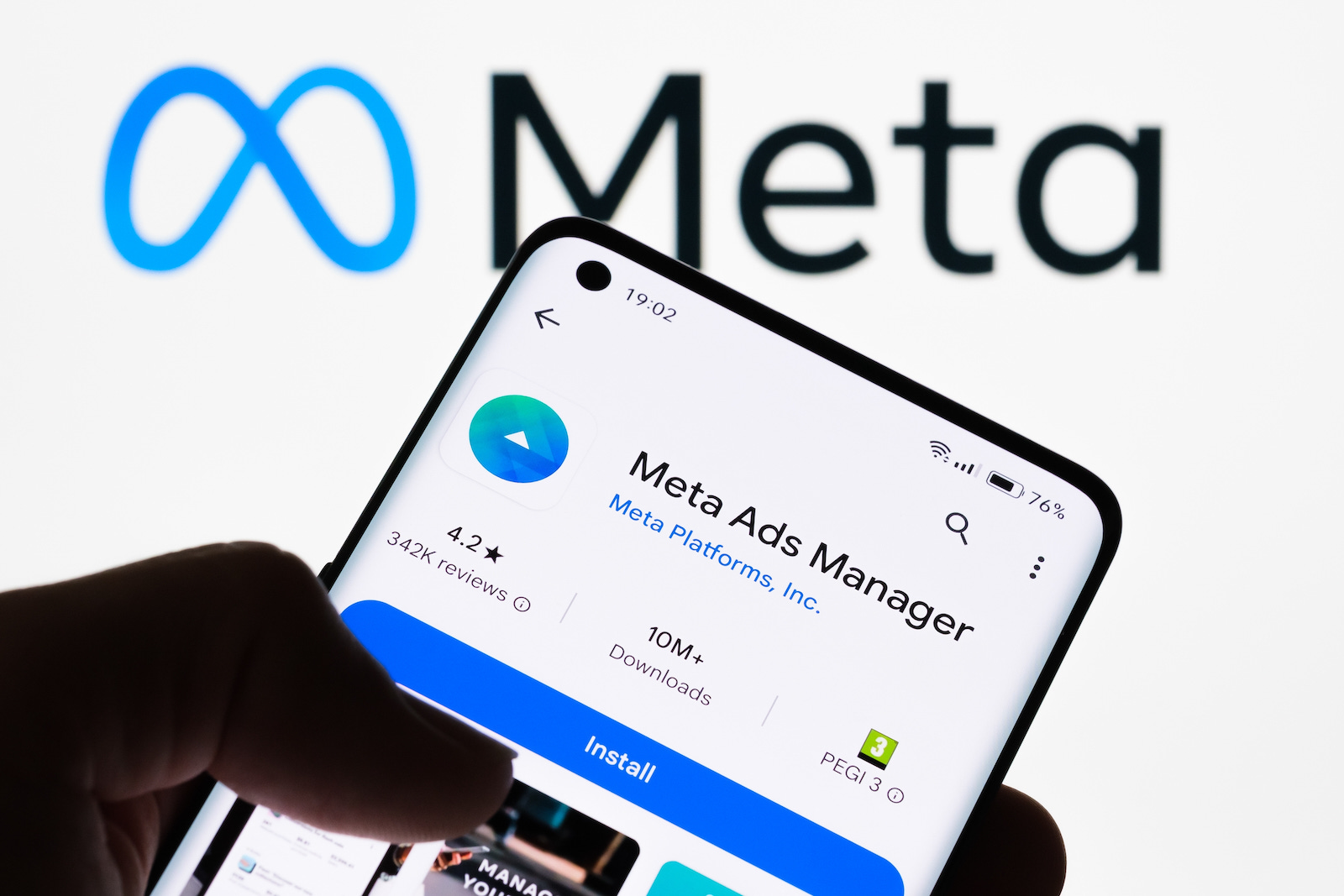
Meta just rolled out its biggest measurement update in years, redefining how click-through attribution works across Facebook and Instagram. The change strips social engagement (likes, shares, saves, video plays) out of click-through conversion counts. Only link clicks that send a user to a website or landing page now qualify. Meta also cut its video engaged-view window from 10 seconds to 5 seconds, citing internal data showing 46% of Reels purchase conversions happen within the first two seconds. A new “engage-through” category now tracks social-interaction-driven conversions separately.
For PI firms spending on Meta for motor vehicle accidents and mass tort intake, the immediate effect is lower reported numbers.
Reported conversions will drop, but the cases did not disappear. Firms that justified Meta spend using click-through attribution may find that social engagement padded their numbers. The new model strips out that padding. A cost per signed case that suddenly looks worse reflects more honest measurement, not worse performance.
Cross-platform comparison just got easier. Meta partnered with Northbeam and Triple Whale to standardize attribution models with Google Analytics for the first time. PI marketers running Google Ads and Meta simultaneously now have a cleaner apples-to-apples view of which channel drives signed cases.
The update changes reporting, not delivery. Ad executives quoted in Digiday called it a “sensible clean up” but emphasized it does not change how Meta delivers or optimizes ads. Firms serious about isolating which channel produces cases still need holdout tests and incrementality modeling, not dashboard reads.
The rollout covers all campaigns optimizing toward website conversions globally starting in March 2026. Meta did not change billing.
🔗 Meta Business News: “Click Attribution” →
The Institutions That Fund PI Cases Are Planning for a Future With Fewer Crashes

A study published in January by JAMA Surgery, one of the American Medical Association’s top journals, is the first to put hard numbers on how many U.S. injuries autonomous vehicles could prevent over the next decade. Researchers projected outcomes from 2025 to 2035 using federal crash and highway data. The conservative estimate: 67,408 fewer injuries. The optimistic scenario: 1,078,528. Insurers, reinsurers, and public health agencies are building their plans around these numbers.
Waymo’s safety data is the strongest in the category. Its latest safety report covers 127 million rider-only miles across four cities and claims a 90% reduction in serious injuries compared to human drivers. A Swiss Re insurance claims study found a 76% reduction in property damage claims and zero bodily injury claims over 3.8 million miles.
The insurance industry is already pricing in the transition. Goldman Sachs projects insurance costs could decline more than 50% over the next 15 years, from roughly $0.50 to $0.23 per mile by 2040. Liability shifts from individual drivers to product liability and cyber coverage. A $400 billion market is repositioning around a future with fewer at-fault drivers.
Independent researchers say we are further from that future than the optimistic data suggests. David Kidd, VP of vehicle research at IIHS, told Bloomberg he does not believe the data can assess which drivers are more likely to crash. The JAMA Surgery authors themselves flag the limitation: “Long-term real-world safety data remain limited.” Case in point: Tesla’s Full Self-Driving system has contributed to more than 50 deaths, and NHTSA is investigating 2.88 million vehicles across 58 FSD incidents. The gap between Waymo’s record and Tesla’s is wide enough to question any blanket safety claim about autonomous vehicles as a category.
Human-led safety interventions are failing on their own timeline. Philadelphia launched Vision Zero in 2016 to eliminate traffic deaths by 2030. That year, 99 people died. In 2025, the number increased to 100. The city pushed the target back 20 years to 2050. If policy alone cannot reduce traffic deaths, AV deployment becomes the intervention insurers and public health agencies bet on, even with incomplete safety data.
Fewer crashes mean fewer cases over time. Lawyers will contest and litigate the messy transition for years. But the trajectory is set. Product liability against AV manufacturers is the emerging practice area, and evidence access is already the bottleneck—onboard sensor data belongs to the company, not the plaintiff.
🔗 Waymo Safety Impact Report · JAMA Surgery: “Forecasting the Impact of Fully Automated Vehicle Adoption” →

Nebraska Sues Roblox Over Child Exploitation and Deceptive Safety Practices: Attorney General Mike Hilgers filed suit in Adams District Court alleging Roblox misleads parents about safety while exposing children to predators through private messaging, voice chat, and user-generated content. Eight states plus Los Angeles County have now sued the platform. A separate federal MDL consolidates 115 cases. The Nebraska complaint seeks civil penalties, punitive damages, and mandatory age verification.
Abbott NEC Trial Opens in Cook County with Four Plaintiff Families: Jury selection began in Cook County Circuit Court for a consolidated trial involving four Illinois families who allege premature infants developed necrotizing enterocolitis after receiving Similac in hospital NICUs. More than 1,700 lawsuits target Abbott nationwide, with nearly 800 consolidated in federal MDL before Judge Pallmeyer in the Northern District of Illinois. A prior Missouri trial produced a $495 million verdict now under appeal. Attorneys expect the trial to run six to eight weeks.
AI-Native Law Firms Recruit Big Law’s Senior Talent: Norm Law, backed by a $50 million Blackstone investment in parent company Norm AI, hired former Sidley Austin executive committee chair Mike Schmidtberger as chairman and partner. Schmidtberger oversaw Sidley’s revenue growth from $2 billion to $4 billion over 35 years. Harvey, the $11 billion legal AI startup, added three legal innovation specialists in early March, including former Ashurst partner Tara Waters. Legal engineer roles at Harvey pay $270,000 to $320,000 plus bonuses. Lateral partner moves hit 3,009 in 2025, a five-year high.
Federal Court Rules AI-Generated Documents Fall Outside Attorney-Client Privilege: In United States v. Heppner, Judge Jed Rakoff issued the first federal ruling that documents a defendant prepared using a consumer AI chatbot lack attorney-client privilege protection. Heppner, a former CEO facing securities and wire fraud charges, used Claude to draft 31 defense strategy documents that the FBI later seized. The court rejected privilege on three grounds: The AI is not an attorney, the platform’s terms eliminated any expectation of confidentiality, and Heppner acted without counsel’s direction.
91% of Insurers Now Use AI in Claims Processing, and PI Firms Are Feeling It: An InsuranceNewsNet analysis found 91% of insurance companies have adopted AI in some form, with predictive triage systems classifying claims by severity before an adjuster opens the file. Bodily injury severity rose 9.2% year over year, yet routine claims increasingly bypass human review entirely. Platforms like CCC Estimate-STP and Tractable now generate damage estimates from photos in seconds, compressing settlement timelines and reducing the negotiation window PI firms rely on.

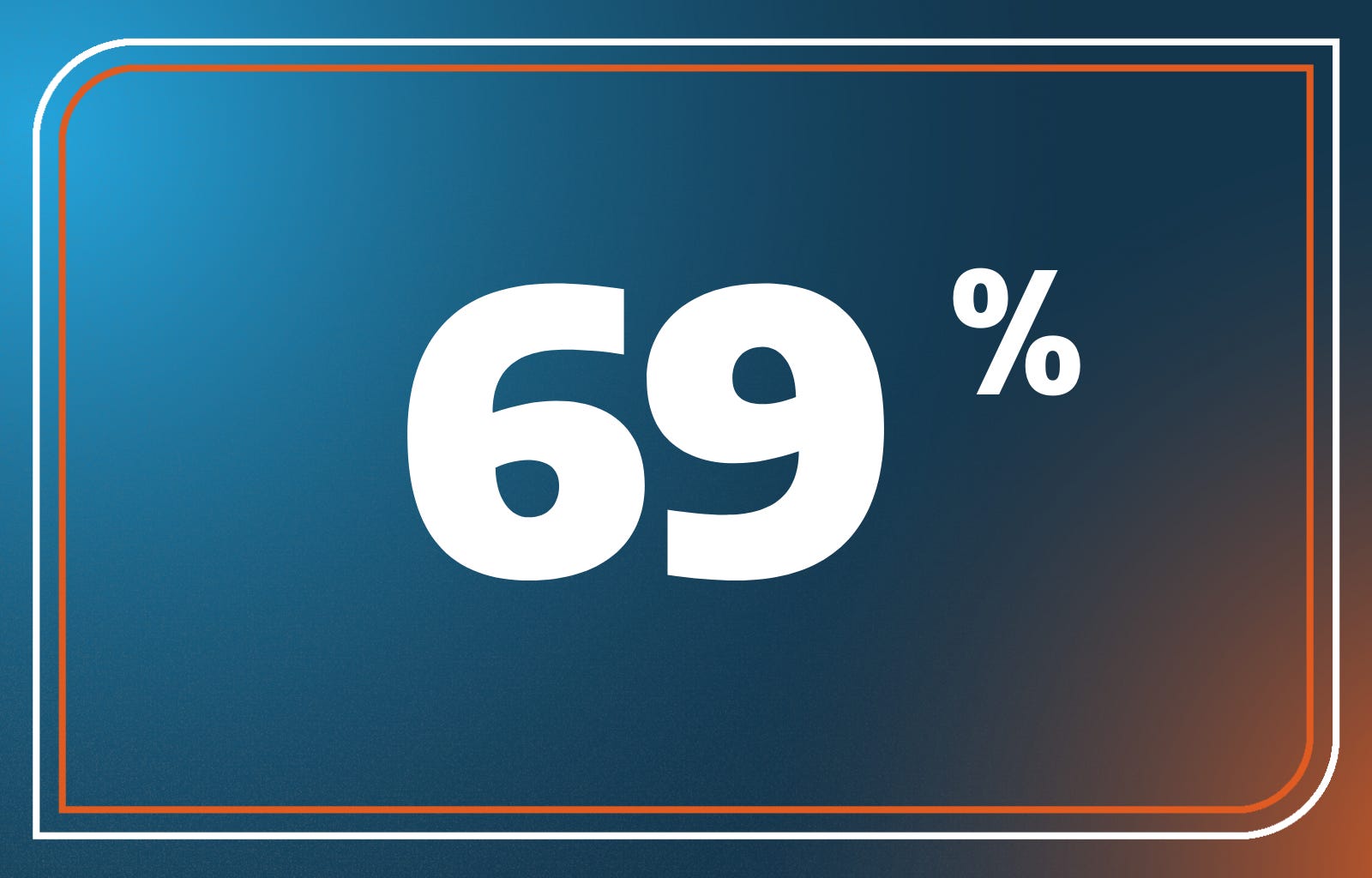
That’s the share of legal professionals who now use generative AI tools for work, according to the 2026 Legal Industry Report from professional business platform 8am. That figure stood at 31% just one year ago. Among the more than 1,300 practitioners surveyed, adoption has more than doubled in 12 months, a pace the legal profession has never seen with any prior technology.
The firms those lawyers work for have not kept up. Only 46% of law firms have adopted general-purpose AI tools at the organizational level. Just 34% use legal-specific AI platforms. And the governance infrastructure barely exists: 43% of firms have no formal AI policy and no plans to create one. Only 9% actively enforce a written policy.
For PI firms, the risk is that attorneys are using AI without guardrails. Every demand letter an attorney drafts in ChatGPT, every medical record a paralegal summarizes in Claude, every case memo someone runs through Gemini touches data that carries privilege, confidentiality, and retention obligations. Without a written policy covering tool vetting, acceptable use, and data handling, firm leadership has no visibility into where that data goes or how it is stored.
The firms that formalize AI governance first will manage risk and move faster. Training and policy do not slow adoption. They remove the ambiguity that slows it. When attorneys know which tools leadership approved, which workflows policy permits, and where the boundaries are, they stop experimenting in isolation and start building repeatable processes. That is the difference between individual productivity and firm-wide operational advantage.
🔗 8am 2026 Legal Industry Report →

James Tawney on Running a Trucking-Only Firm Where Partners Still Answer the Phone
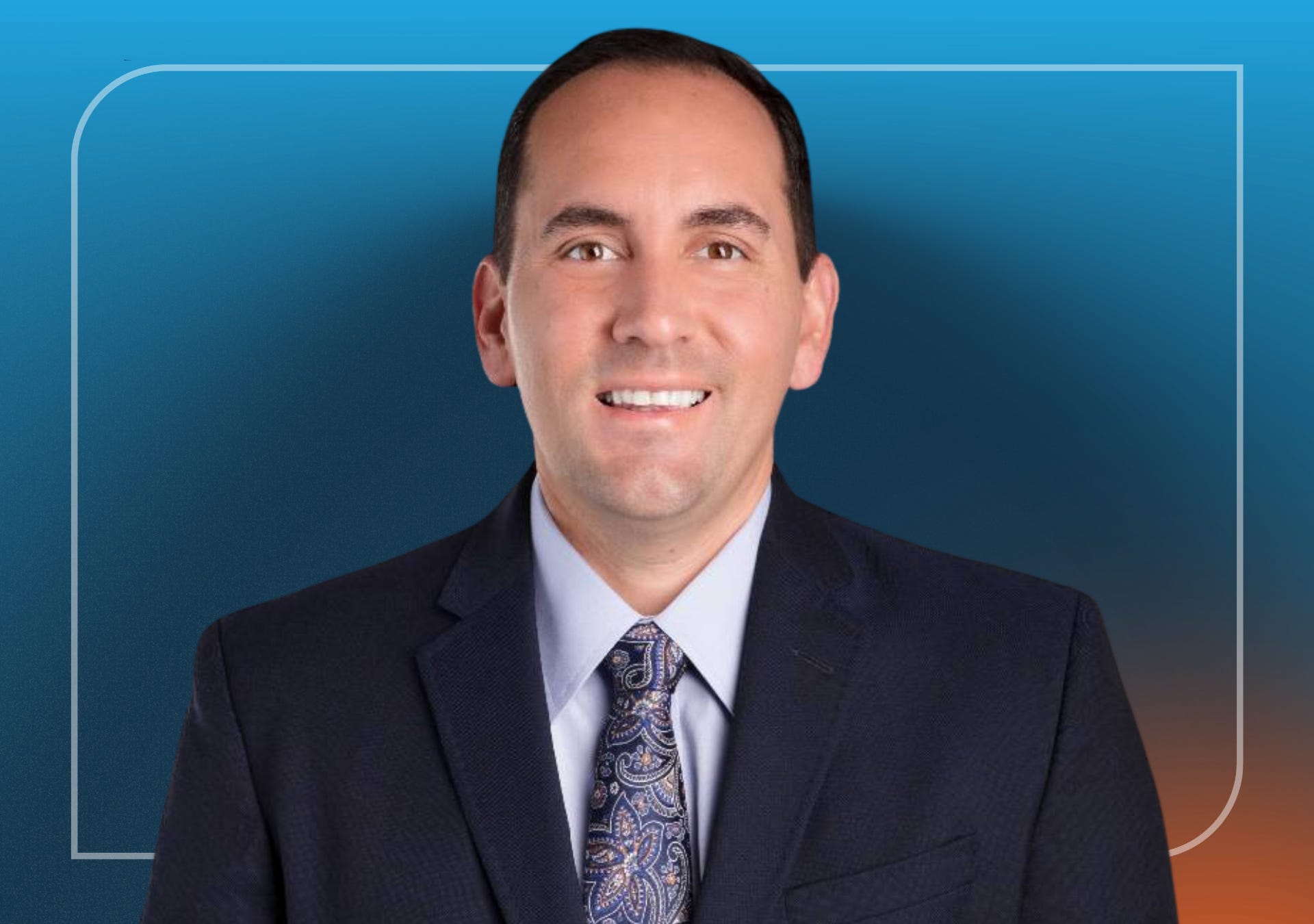
James Tawney built Tawney, Acosta & Chaparro P.C. around a single case type: trucking injuries. The firm operates across New Mexico, Texas, and is expanding into Arizona, handling exclusively seven- and eight-figure trucking cases.
In a market where growth usually means adding practice areas, Tawney grew by becoming the only call worth making for a specific kind of accident.
Tawney started third-chairing federal trucking death cases within three months of law school. He spent years studying FMCSA regulations, attending Academy of Trucking Accident Attorneys (ATAA) seminars, and reading CDL manuals during COVID. He now holds board certification in trucking law and an appointment to the Board of Regents at the ATAA. Every part of the firm, from intake to trial prep, centers on trucking workflow and nothing else.
Partners, not intake specialists, take every trucking call first. Associates carry the firm phone home every night. Calls transfer directly to their phones around the clock. Partners receive a text on every trucking case and decide whether it is a case before anyone else touches it. Tawney’s logic: When you evaluate cases worth seven and eight figures, the first conversation determines the trajectory. Handing that conversation to a call center representative costs more than it saves.
Telematics data is the new evidence battleground in trucking cases. Systems like Samsara and SystemLytics store everything on the truck for a decade or longer. Carriers routinely claim they do not retain data past 12 months. Tawney found that claim false. The IT departments at carrier companies have the data. His advice to other trucking lawyers: depose the carrier’s IT department, because they have what he calls “all the Easter eggs.”
The firm runs focus groups before every trial under a pseudonym. Tawney starts with an open-ended question and watches jurors anchor low. He then reframes the presentation using per diem calculations and watches the numbers jump. He uses big data from vendors like John and Alicia Campbell but cautions that those presentations are defense-skewed. His trial damages presentation looks completely different from the summary data.
Cultural branding made the firm impossible to confuse with anyone else. Tawney built commercials around Southwest culture, lowriders, former clients, and movie-trailer production quality. Kids dance to the music. He opened the Phoenix office as “the lowrider lawyers.” In a market saturated with generic advertising, cultural specificity became the differentiator. He gets a letter a day from people calling it their favorite commercial.
The firm optimizes every role in the firm for trucking workflow. The firm does not use a pod model. It runs a dedicated medical records team, a dedicated discovery response team for exhibit lists and interrogatories, a dedicated briefing attorney who handles nothing but motions, and deploys accident reconstructionists immediately on every case. FOIA and IPRA requests go to DOT on every file. The firm hosts CDL manuals by state on its website, which drives SEO traffic from other lawyers looking for the same information.
“When you’re hunting seven- and eight-figure trucking cases, efficiency on the front end can cost you the case before it starts. Clients call a law firm to talk to a lawyer.”
The through line across all of it is specialization deep enough that competitors cannot replicate it. Tawney did not diversify his way to growth. He narrowed until the expertise itself became the moat. That is what Level 5 looks like in practice.
🎧 Personal Injury Mastermind: Episode 395 →


Superpanel Automates the Intake Work That Costs PI Firms the Most Cases
Every PI firm running paid media at scale hits the same wall: Leads come in faster than intake staff can qualify them. Calls go to voicemail after hours. Follow-ups slip. Documents sit uncollected for days. The marketing budget generates demand. The intake process loses it.
Superpanel built an AI platform specifically for plaintiff firms to close those gaps, handling everything from first contact through case qualification and document collection.
An AI intake system that runs across phone, SMS, email, and web, so no lead waits for a human to become available.
Julien Emery and Dingyu Zhang founded Superpanel in 2024 after Emery saw firsthand how legal intake breaks down at volume. The company raised a $5.3 million seed round co-led by Outlander VC and Field Ventures in September 2025. In its first year, the platform processed more than 250,000 intakes across personal injury, mass tort, employment law, and lemon law. Firms using Superpanel have signed over 15,000 cases.
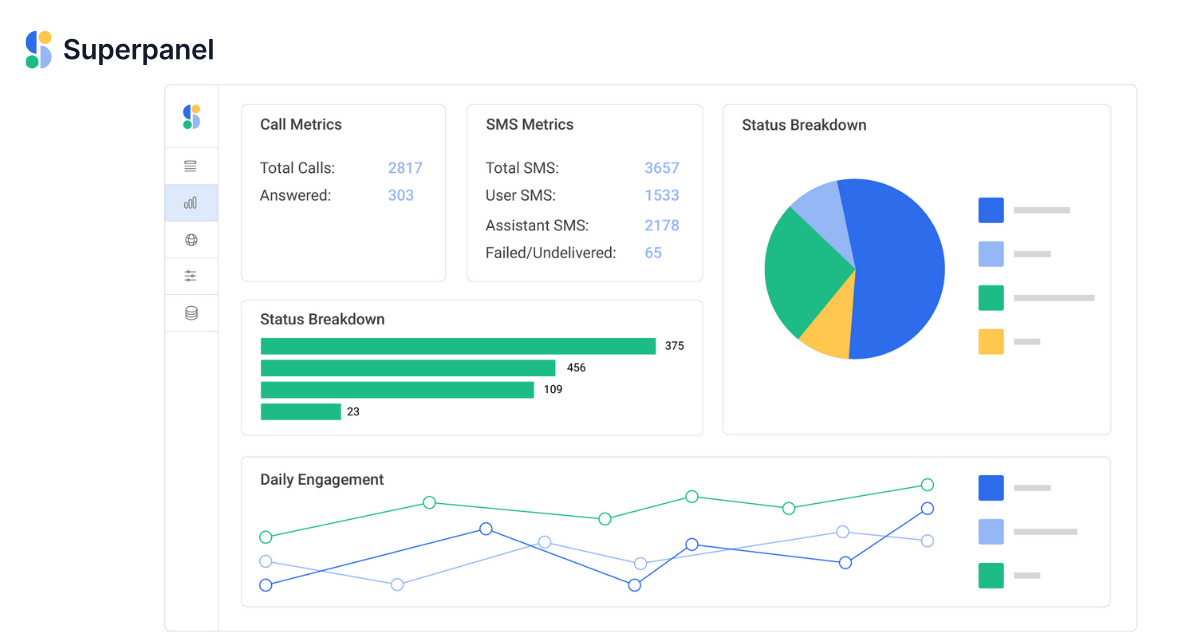
Here is what Superpanel claims:
Firms increased conversion rates by up to 300% within six months of deployment, with zero additional headcount. Superpanel automates qualification, follow-up scheduling, and document collection across every channel. IIntake staff handle up to four times more inbound inquiries per person because the platform takes over the process-heavy work that used to eat their day.
Over 95% of callers complete intake without asking to speak to a human. Superpanel launched Voco, its native voice AI layer, in March 2026. The system handles complex, nuanced legal intake conversations on the phone. Every caller gets the option to transfer to staff. Fewer than 4% choose to. That number matters for PI firms evaluating whether AI voice will alienate prospective clients. Superpanel’s data says it does not.
The platform collected and organized more than 60,000 supporting documents in one year. The platform verifies and structures every document automatically, cutting the administrative lag that slows case progression. For firms running high-volume mass tort or MVA intake, document collection often stalls cases. Superpanel removes that bottleneck.
Firms using the platform report a new operational role emerging: the AI Manager. Operations staff use non-technical interfaces to launch and adjust intake workflows in hours, not weeks, without engineering support. One firm COO described shifting focus from whether the firm could intake 1,000 cases a month to whether it had enough lawyers to handle them.
Superpanel positions intake as the largest hidden loss center in plaintiff law firms. For any PI operator whose marketing spend outpaces intake capacity, the platform addresses the exact gap where cases and revenue disappear.
Before you go
Disclaimer: Personal Injury Mastermind takes all reasonable steps to ensure accuracy in the materials we share, including articles, newsletters, and reports. These materials are intended for general informational purposes only and do not constitute legal advice. They may not reflect the most current laws or regulations. Always consult a qualified attorney for advice on a specific legal matter.


Thanks for reading. Quick ask…if you know someone who’d benefit from this content, please forward this to them. I’ll be back next week. - Chris
Received this newsletter from someone else? Subscribe below. Questions? Contact us at newsletters@rankings.io.