

Airlines Face New Scrutiny Over Toxic Cabin Air, Legal Tech Funding Surges, and How to Rank in AI Search
Plus: How Brandon Dawson Built a PI Firm Clients Remember When It Matters

👋 Good morning. Chris Dreyer here. Airlines are facing renewed scrutiny over reports of toxic cabin air exposure, as long-running concerns about so-called “fume events” are again in the headlines. The issue raises fresh questions about oversight, disclosure, and how injury claims tied to exposure are evaluated. You probably won’t be surprised by my take on what this story means for PI firms.
Also, here’s a number you shouldn’t ignore. Legal technology companies raised $3.2 billion in 2025 as law firms pushed AI tools out of pilot programs and into everyday workflows. AI is now being treated as core infrastructure inside legal practices, not a side project.
Also this week: I unpack why ranking in AI search results is already working very differently than most firms assume. The way AI systems answer personal injury questions has clear implications for who gets surfaced and who gets ignored. Let’s go…

PIM Newsletter is brought to you by Rankings.io, the law firm growth agency helping PI firms dominate AI search and turn visibility into cases. Learn more →

Showing Up In AI Search Starts With Being Useful In Public
A lot of the conversation around AI search still assumes it’s something that’s coming later. It isn’t. Roughly 1.7 billion people are already using ChatGPT to ask questions. And if Google makes AI the default search experience, that number could skyrocket to 4 billion per month.
With that kind of reach, if your firm isn’t showing up when people type “best truck accident lawyer in [city]?”, you’re leaving money on the table. You’re saying no to hundreds of potentially high-earning leads in a market where your competition is happy to watch you fold.
So, how do we solve the AI search problem, Chris?
We just invested in a brand new website. What more do we need to do?
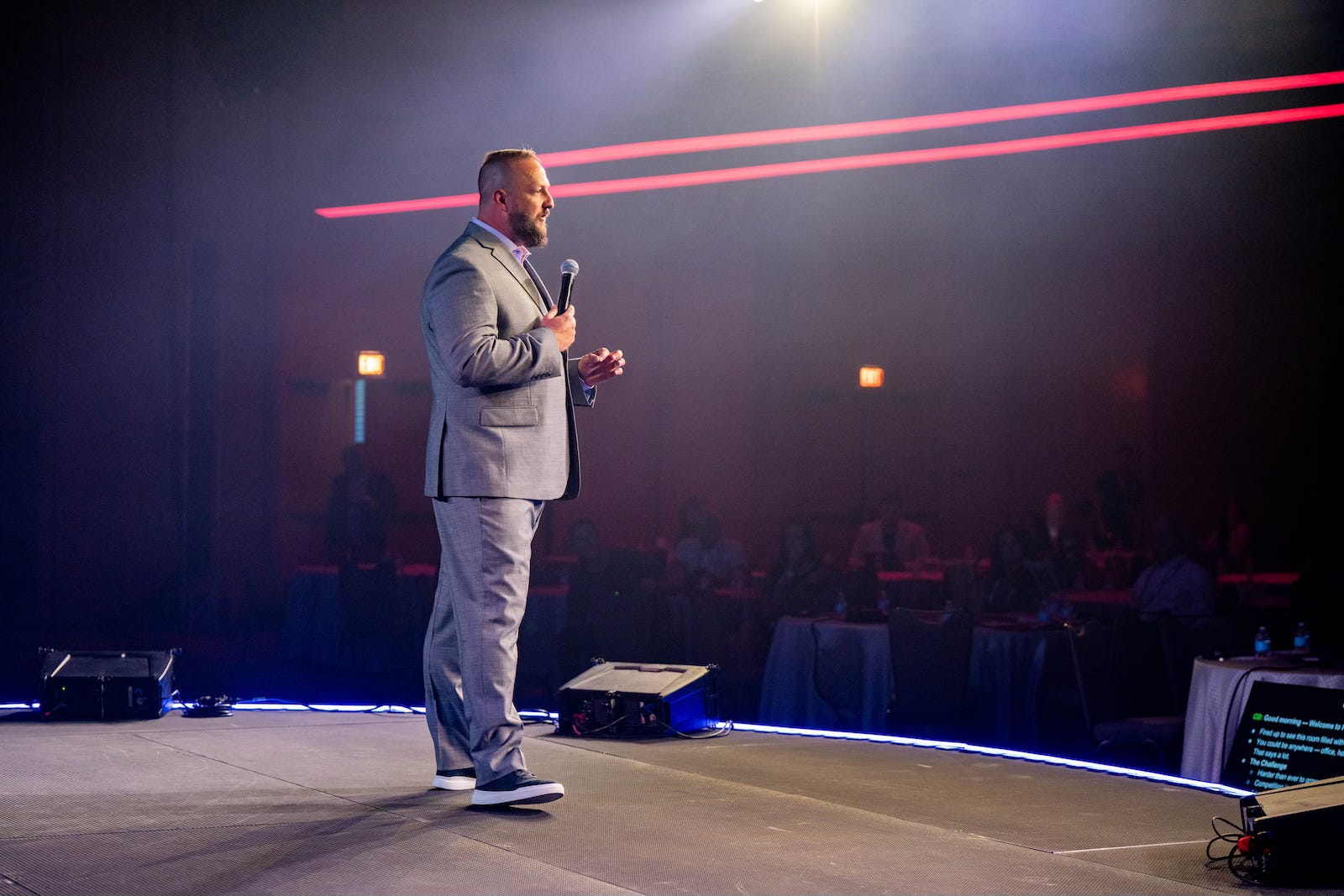
Two months ago, I told a room full of personal injury attorneys at PIMCon 2025 that AI search visibility came down to one thing:
Being useful in public.
Not just on your website.
Not just in your socials.
Not just in your billboards and TV ads.
Those channels are killer for SEO, but for AIO (those AI overviews you see at the top of Google)...
…you have to start showing up where people are looking for higher-quality answers to their questions.
Because when AI tools answer questions like “best truck accident lawyer in Houston” or “who handles wrongful death cases in Atlanta,” they’re not doing a fresh analysis of the internet every time to see which sites sit at the top of page 1.
No. They’re pulling from a relatively small set of sources and I’m here to tell you that the same types of sites keep appearing around personal injury queries…
Forums like Reddit where people ask questions and get straightforward answers. Reddit threads surface repeatedly precisely because they reflect real-world concerns and plainspoken explanations.
Legal directories like Super Lawyers, because profiles and rankings reinforce credibility across markets and queries.
Google and Yelp reviews where ongoing review activity sends consistent trust signals over time.
Community-driven sites like Wikipedia which provide the shared context AI systems rely on to frame answers

These platforms make up a disproportionate amount of the citations inside ChatGPT and other AI tools. And for those of us nerds tracking the evolution of search week in, week out, the reason why is becoming clearer every day.
Traditional search engines rely heavily on search optimized web pages and other content to point people to the best content. AI tools, on the other hand, want to provide answers and context they can act on immediately.
The numbers are, frankly, hard to ignore. Justia alone attracts about 11 million users every month, and its growth curve keeps climbing. Reddit has become so central to discovery that Google signed a $60 million licensing deal just to access its data.
What they’re after is real answers from real people, which AI can then synthesize into a coherent, useful response following a query. But this is where a lot of PI firms struggle.
Even when they show up on these sites, the communication still feels like marketing. The answers are technically correct, but the language is cautious. Filtered. Written as if someone is worried about saying the wrong thing instead of helping someone understand what to do next.
In my presentation, I made the point that AI systems don’t just notice that you answered a question. They notice how often the same firm shows up saying similar things across different places. Reviews. Directory profiles. Forum answers. Community discussions.
When the communication is clear, and addressed to the same kinds of cases, that firm becomes easier to trust and gets featured the next time a similar question is asked.
This is why reviews matter more than most PI firms realize. In competitive markets, a 4.8 rating isn’t impressive anymore. What separates top-performing firms is treating reviews as a high-level investment that compounds over time.
I know what you’re thinking. This sounds like hard work. And it is, actually…
But I promise if you consistently apply this logic across these platforms, AI wouldn’t have to guess who to recommend. It’ll be your firm at the top of the results.
Just be careful not to start thinking in terms of SEO vs AI search. It isn’t a trade-off. You need both.
You still need a strong website. You still need solid fundamentals. But the firms that win the next phase of search will be the ones that pair those fundamentals with a public presence that’s clear, consistent, and useful wherever people are already asking questions.
Which brings me to this…
In a few months, leading personal injury firms will gather again at The Phoenician for PIMCon 2026 where we’ll go deeper into how AI search is evolving, what patterns we’re seeing across competitive markets, and the strategic moves that we believe will increase caseload.
Early-bird pricing is available from today.

Airlines Face Renewed Scrutiny Over Reports of Toxic Cabin Air Exposure

A recent Wall Street Journal report has renewed legal and regulatory attention on contaminated cabin air aboard commercial flights. The Journal details long-running concerns around so-called “fume events,” incidents in which toxic substances can enter aircraft cabins through ventilation systems, and the growing medical and legal scrutiny tied to those exposures.
Commercial aircraft commonly rely on “bleed air” systems that route compressed air from jet engines into cabins and cockpits. When engine oil or hydraulic fluids leak into that system, contaminants can enter the air supply, sometimes producing noticeable odors or haze. Medical experts cited in the story link exposure to symptoms such as dizziness, nausea, headaches, and neurological issues, particularly among flight attendants and pilots with repeated exposure over long careers.
The story also highlights gaps in oversight and disclosure. Fume events have been documented within the aviation industry for decades, but reporting requirements remain limited, and many incidents are not formally recorded unless they result in an emergency response. That has made it difficult to assess how frequently these events occur and how closely they are tied to long-term health outcomes.
Aircraft design has become a focal point of renewed attention. While most commercial jets still rely on bleed air systems, some newer aircraft models use alternative air systems that do not draw air from engines, a contrast that has intensified questions about whether legacy designs expose crews and passengers to avoidable risks.
Aircraft design and bleed air systems. Most commercial jets continue to use engine bleed air for cabin ventilation, a design that can allow oil or hydraulic contaminants into the air stream when seals fail or degrade, despite the existence of alternative systems.
Occupational exposure claims by flight crews. Pilots and flight attendants report repeated low-level exposure over years of service, with some leaving the profession due to persistent neurological or respiratory symptoms they associate with fume events.
Reporting standards and regulatory oversight. Fume events are not consistently subject to mandatory reporting unless they escalate into emergencies, limiting transparency and complicating efforts to evaluate scope and risk.
Go deeper: PI firms don’t need to wait for outlets like the WSJ to tell these stories. PI firms already sit on tons of raw material: case histories, medical records, expert testimony, and years of pattern recognition across similar claims. That material can be turned into original reporting, long-form explainers, or visual storytelling that helps people understand risks, liability, and compensation in plain terms. So as I see it… you can and should tell great public-interest stories yourself.
In two words: brand journalism. A shift that starts with a decision to think and act like media companies, as Tom Foremski framed it nearly 20 years ago. It means hiring storytellers, investing in quality editorial, choosing formats that match how people actually consume information, and distributing that work through owned channels. Do it right, and the firm that controls the narrative, owns the distribution, and builds sustained attention around specific kinds of harm could shape how entire categories of personal injury are understood. It’s storytelling as a moat. And the ROI?
Pipeline, not just pageviews.
Legal Tech Funding Hits $3.2B as Law Firms Standardize AI Tools

Legal technology companies raised $3.2 billion in 2025 as law firms moved artificial intelligence from pilot programs into routine use, Business Insider reports. The funding total, based on an analysis of Crunchbase data and disclosed financings, reflects growing demand for tools used in everyday legal work, including research, drafting, due diligence, and analytics.
The largest rounds flowed to companies already in active use by major firms. Legora raised $80 million despite not actively seeking funding and later closed a $150 million Series C led by Bessemer Venture Partners. The company reported more than 400 clients across 40 markets, including several global law firms.
“I don’t think it’s a secret that things have been really working,” Legora CEO Max Junestrand said of investor demand.
New entrants also attracted capital, with some built around acquisition strategies. Eudia launched from stealth with $105 million in Series A funding from General Catalyst, structured to support acquisitions. The company went on to acquire Johnson Hana and later the legal services provider Out-House.
Funding also extended to personal injury–focused platforms. In a separate development, legal AI company EvenUp said it raised $150 million in a Series E round led by Bessemer Venture Partners, valuing the company at more than $2 billion and bringing total capital raised to $385 million.
Smaller companies rounded out the funding wave. Startups including Bench IQ, Casium, and Theo Ai raised seed rounds to support tools focused on judge analytics, immigration workflows, and settlement prediction, showing investor interest across a range of legal functions.
A few things stand out in the data:
Funding followed adoption. The biggest checks went to companies already embedded in law firm workflows, not tools still in trial phases.
Time-intensive tasks drew the most capital. Research, review, and analysis dominated investor interest, mirroring where firms spend the most billable effort.
Consolidation began early. Eudia’s funding structure and early acquisitions point to dealmaking arriving sooner than in past legal tech cycles.
For personal injury firms, the shift is worth watching. The tools attracting capital are designed to reduce time spent on legal work that also exists in litigation practices. As those tools become more common across the industry, expectations around turnaround time and cost control are likely to tighten. When large firms normalize faster legal work, those standards tend to spread. PI firms that understand how these tools are reshaping baseline expectations will be better positioned as clients, courts, and counterparties adjust.

LexisNexis Rolls Out Major Update to Protégé Legal AI Platform: LexisNexis announced a next-generation expansion of its Protégé General AI platform less than two months after its commercial launch, unifying LexisNexis content, customer documents, and open web insights in a single workflow. The update integrates Shepard’s Citations, introduces a “Best Fit” mode that automatically selects the optimal AI model for a task, and allows users to manually override model selection. The platform is designed to test counterpoints, explore alternative approaches, and help lawyers seek a second opinion on legal arguments, according to the company.
Fastcase Sues Alexi Over Alleged Misuse of Licensed Legal Data: Fastcase, the Clio-owned legal research company, has sued Canadian legal AI startup Alexi, alleging it used licensed case law data to build and distribute a competing research product. Fastcase says the data license, signed in 2021 before generative AI became widespread, limited Alexi’s use to internal purposes, a claim Alexi denies. In an early setback for Alexi, U.S. District Judge Richard Leon denied the company’s request for a temporary restraining order that would have restored its access to Fastcase’s database, keeping the data feed shut off as the contract dispute moves forward.
Johnson & Johnson Hit With $66M Verdict in Minnesota Asbestos Talc Case: A Minnesota jury awarded $65.5 million in compensatory damages to Anna Jean Houghton Carley following a 13-day trial in Ramsey County District Court, finding that Johnson & Johnson’s talc products exposed her to asbestos and contributed to her peritoneal mesothelioma. Jurors heard evidence that the company knew talc deposits could be contaminated with asbestos but continued to market the products as safe; the verdict did not include punitive damages. Johnson & Johnson did not immediately respond to a request for comment.
AI Hallucinations Are Forcing a Reckoning in Legal Education: A surge in court cases involving AI-generated errors is accelerating demand for ethics-focused legal training, as judges and regulators move to rein in misuse of generative tools in filings. Bloomberg Law found instances of litigants misusing AI rose from 31 cases in the first quarter of 2025 to 167 by the third quarter, prompting sanctions, standing court orders, and expanded CLE offerings in states including California, New York, and Texas. Large firms such as Paul, Weiss and DLA Piper report increased demand for internal AI training, with courses emphasizing duties of candor, competence, confidentiality, and human oversight after lawyers were fined for citing non-existent cases and unverified AI-generated material.
Uber Avoids Injury Suit After Illinois Court Enforces Release: An Illinois appellate panel upheld the dismissal of negligence claims against Uber Technologies Inc. after finding that a bicyclist’s prior settlement barred further litigation. The plaintiff had accepted a $17,500 payout through Uber’s insurer and signed a release following a December 2023 collision, then later argued the agreement should be voided due to diminished mental capacity. The First District rejected that argument, holding that medical records and communications did not show incapacity sufficient to invalidate the release.


Micro dramas—or, if you prefer, serialized storytelling—are on track to generate $11 billion in global revenue this year, a striking figure for a format built around two- to three-minute, mobile-first episodes. The projection underscores how quickly short-form scripted video has moved from niche experiment to a scaled business, driven largely by paid consumption and advertising rather than traditional television economics.
China anchors the market at scale. More than 80 percent of projected global revenue is expected to come from China, where micro dramas are already mainstream. Deloitte’s 2026 Technology, Media & Telecommunications outlook cites roughly 662 million micro-drama users nationwide, with platforms monetizing through paid episode unlocks, subscriptions, advertising, and e-commerce integrations.
Growth is outpacing adjacent streaming formats. Omdia, a global technology research and advisory firm, estimates micro-drama revenue is on track to nearly double the size of free ad-supported streaming TV, forecast at $5.8 billion by the end of 2025. Deloitte similarly frames micro dramas as one of the fastest-scaling scripted content categories, competing directly for limited consumer attention time rather than sitting alongside traditional TV.
The U.S. is no longer peripheral. Deloitte notes the United States has become the top-grossing market outside Asia for micro-drama apps such as DramaBox and ReelShort, with several ranking among the top 25 App Store downloads. Nearly 30 percent of Gen Z and millennials are already familiar with the format, and roughly half say they are watching more than they did a year ago.
The takeaway: $11 billion reflects how efficiently micro dramas convert attention into revenue. The same mechanics driving that growth—short, serialized storytelling designed to hold attention—map cleanly onto personal injury cases, where narratives unfold over time, hinge on moments of consequence, and determine outcomes. Could this work as a TikTok content strategy aimed at Gen Z? That’s certainly possible. But for PI firms, the format points to a durable opportunity to meet audiences where attention already lives, using story rather than slogans to earn trust early.

How Brandon Dawson Built a PI Firm Clients Remember When It Matters
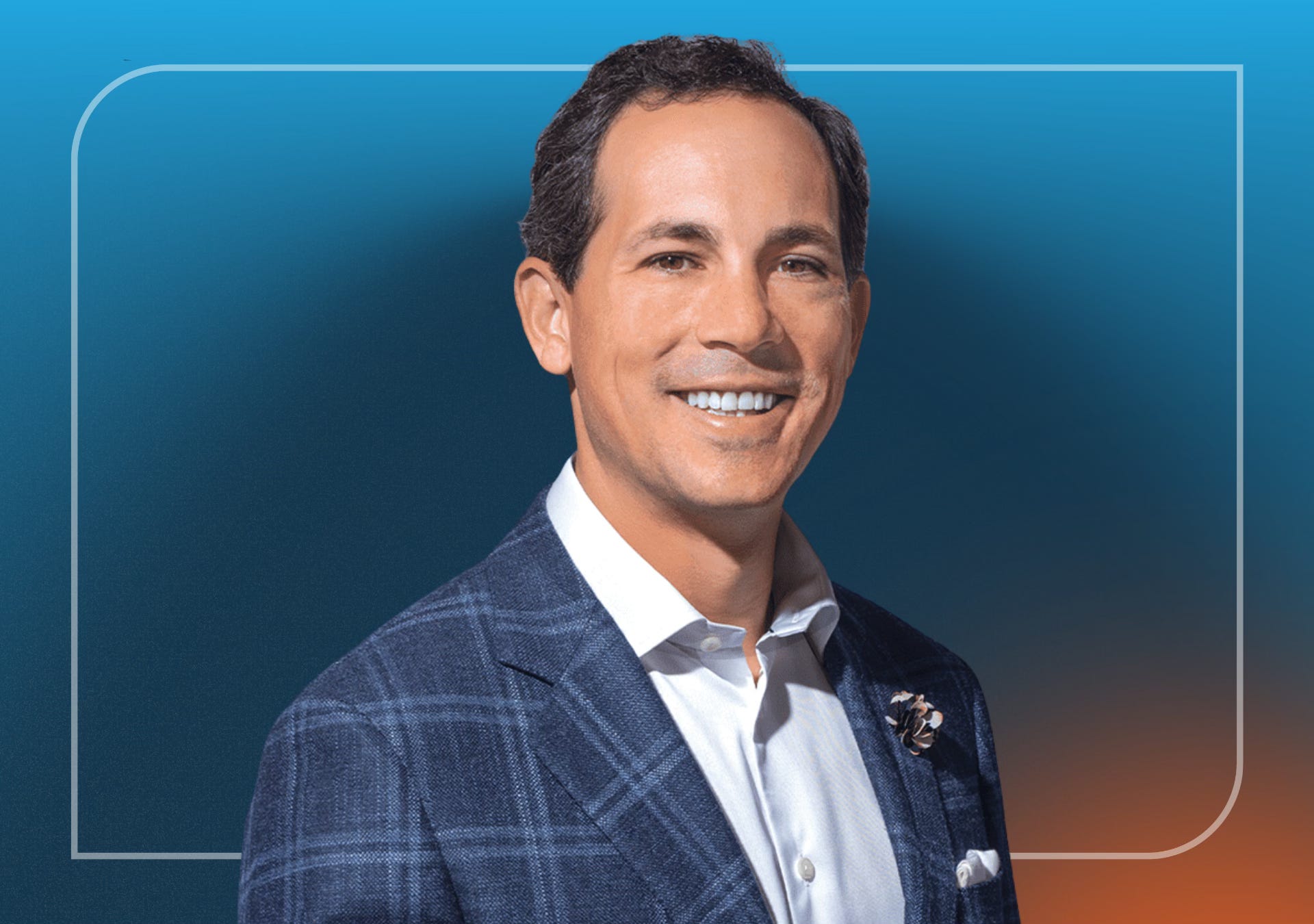
The legal work had been solid. As far as Brandon Dawson knew, the relationship itself was fine. But when the client got into a terrible crash, his memory failed and he almost called another lawyer. Almost. At the urging of his mother, he searched his old emails and found Dawson’s number.
The case settled for $250,000.
That near-miss forced a simple realization…
Good legal work does not guarantee recall.
If a satisfied client could forget the firm’s name in a crisis, the business itself was broken, not just the marketing. So he made some tactical moves every PI firm could benefit from:
“Even if you do the best job and think they’ll never forget you, if you’re not remarketing to them, they will.”
Make the firm easy to remember. Dawson collapsed four surnames into one identity. Miller, Dawson, Sigal & Ward became The Thumbs Up Guys. Easy to remember. One message. Absolute consistency across every channel, and instant recognition when someone needed a lawyer fast.
Focus on one marketing channel. Instead of spreading budget across multiple channels, Dawson focused on one at a time and committed long enough to know whether it worked. Early growth came from channels where calls and cases could be clearly traced back to spend. Big brand investments came only after that foundation was in place.
Stay visible after the case ends. Remarketing became a high priority. Texts, emails, and mail continued well beyond settlement. Former clients were reminded who helped them and how to reach the firm again.
Treat every call as measurable. Calls were reviewed. Missed opportunities were examined. The firm tracked how many callers became clients and where breakdowns occurred.
Actually look at the data. Dawson paid attention to momentum, not just revenue. Data like new cases signed minus cases closed showed whether the firm was gaining ground or slipping, and often weeks before revenue reflected it.
“Net-new cases tell you what’s coming before the numbers show it.”
Ultimately, you want to build a company people want to work for. For Dawson, recognition, coaching, and clear expectations mattered as much as pay. Teams knew what good work looked like and who owned it. Not only that…Dawson anticipated firm growth and treated hiring as an investment, not a roll of the dice. The Thumbs Up Guys went on to become a Top 25% Inc. 5000 PI Firm. Here’s the full conversation about how they did it.
🎧 Personal Injury Mastermind: Ep 354 →


Version Story Brings Real-Time Version Control to High-Stakes Legal Documents
Version Story addresses a persistent risk in legal work: losing track of changes as documents move between people. Litigation teams still manage drafts through emailed redlines and filenames, even when multiple versions are circulating at once. Version Story replaces that workflow with a visual system that shows exactly how a document changed and which version is current.
The product mirrors how lawyers already work, but removes the manual steps. Each version sits on a shared canvas. Changes are compared automatically. Conflicts are flagged clearly. Teams can review edits, merge feedback, and understand how language evolved without leaving Word.
That matters as drafting speeds up. More revisions mean more chances for mistakes. Version Story keeps documents organized as volume and velocity increase.
Where firms see the impact:
Clear version history. Every draft is ordered and visible, reducing the risk of sending or relying on the wrong version.
Cleaner redlines. Insertions, deletions, and conflicts are easy to spot, even in complex documents with multiple contributors.
Less manual merging. Edits from attorneys, staff, or outside reviewers can be reconciled without hours of side-by-side comparison.
Bottom line: Version Story brings structure to document collaboration without changing how lawyers write. For teams handling high-stakes legal documents, it reduces error risk by making version control explicit rather than assumed.
Before you go
Disclaimer: Personal Injury Mastermind takes all reasonable steps to ensure accuracy in the materials we share, including articles, newsletters, and reports. These materials are intended for general informational purposes only and do not constitute legal advice. They may not reflect the most current laws or regulations. Always consult a qualified attorney for advice on a specific legal matter.


Thanks for reading. Quick ask…if you know someone who’d benefit from this content, please forward this to them. I’ll be back next week. - Chris
Received this newsletter from someone else? Subscribe below. Questions? Contact us at newsletters@rankings.io.